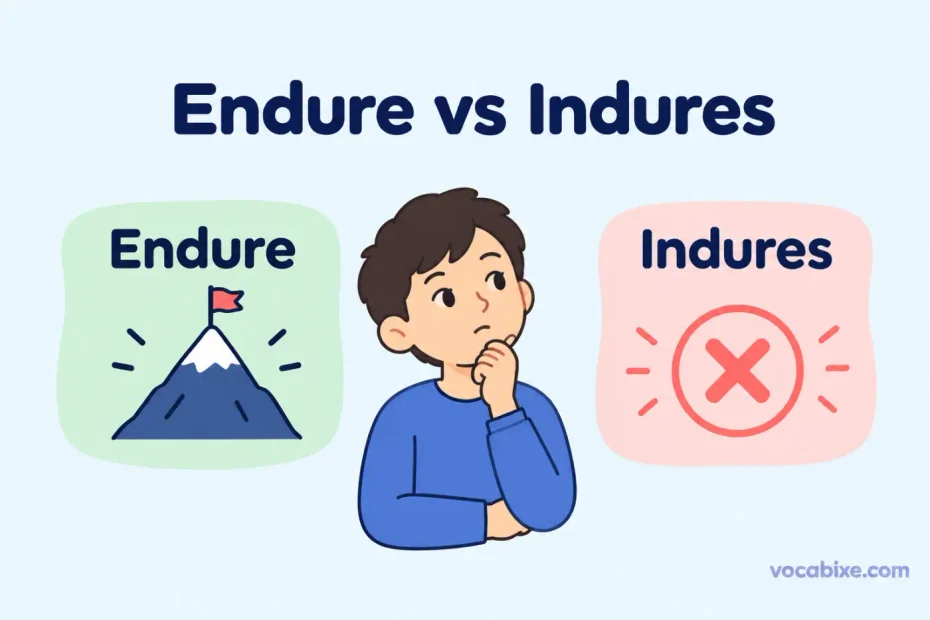
Endure vs Indure: Clear Spelling and Usage Explained 2026
Learn the correct spelling of endure vs indure, understand the meaning, see simple examples, and discover why endure is the modern standard form.
Learn the correct spelling of endure vs indure, understand the meaning, see simple examples, and discover why endure is the modern standard form.
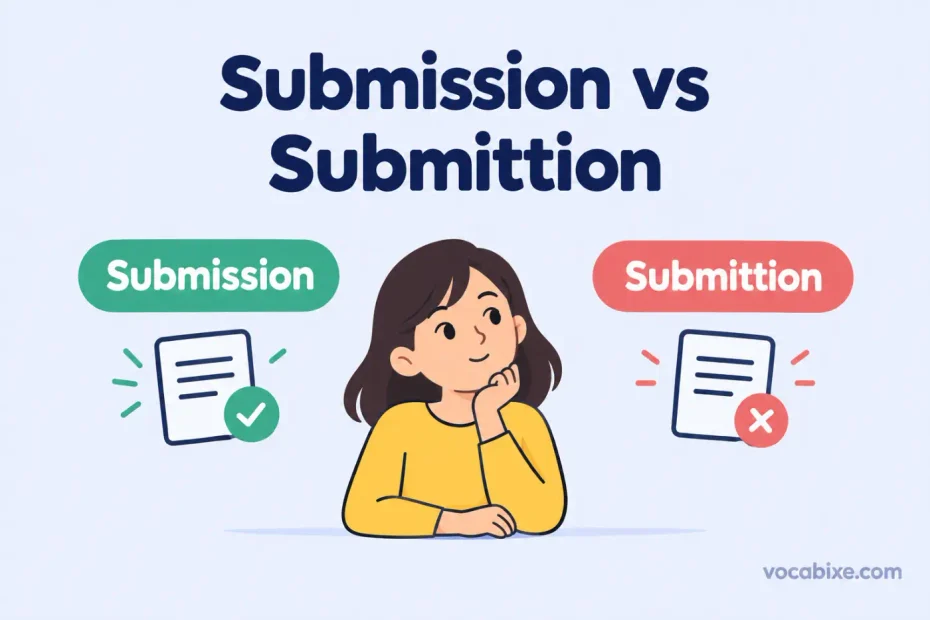
Learn submission vs submittion with simple spelling rules, clear meanings, real examples, common mistakes, and an easy way to remember the correct form.

Learn whether how tos or how to’s is correct, discover the proper plural form, and understand how to use how-to in simple English.
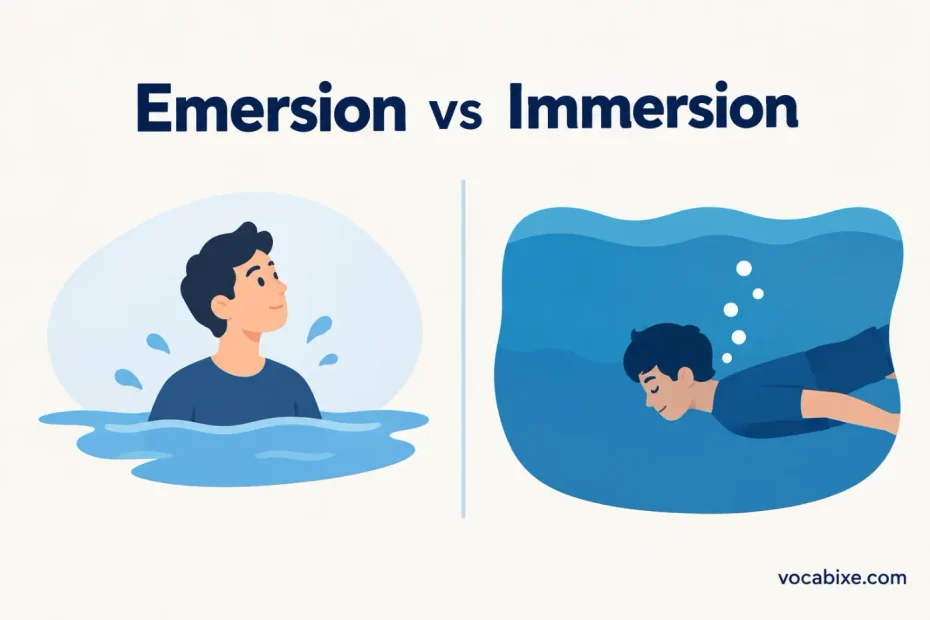
Learn the simple difference between emersion and immersion, including meanings, spelling, real examples, common mistakes, and correct everyday usage.

Learn onsite vs on site with simple rules, clear examples, common mistakes, and practical tips for choosing the correct form in English.
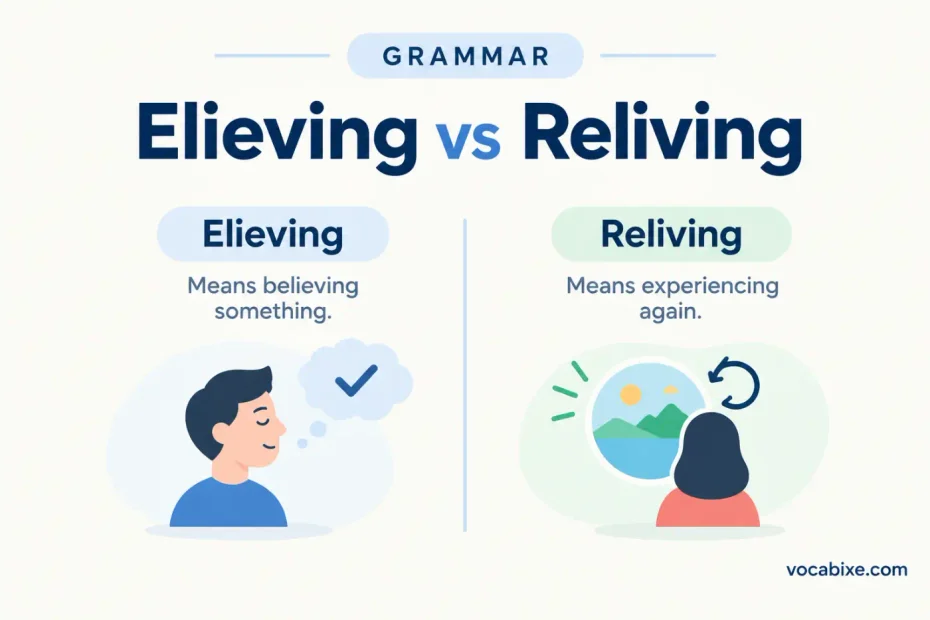
Learn the correct spelling of elieving vs reliving, understand its meaning, avoid common mistakes, and use reliving correctly in everyday English.
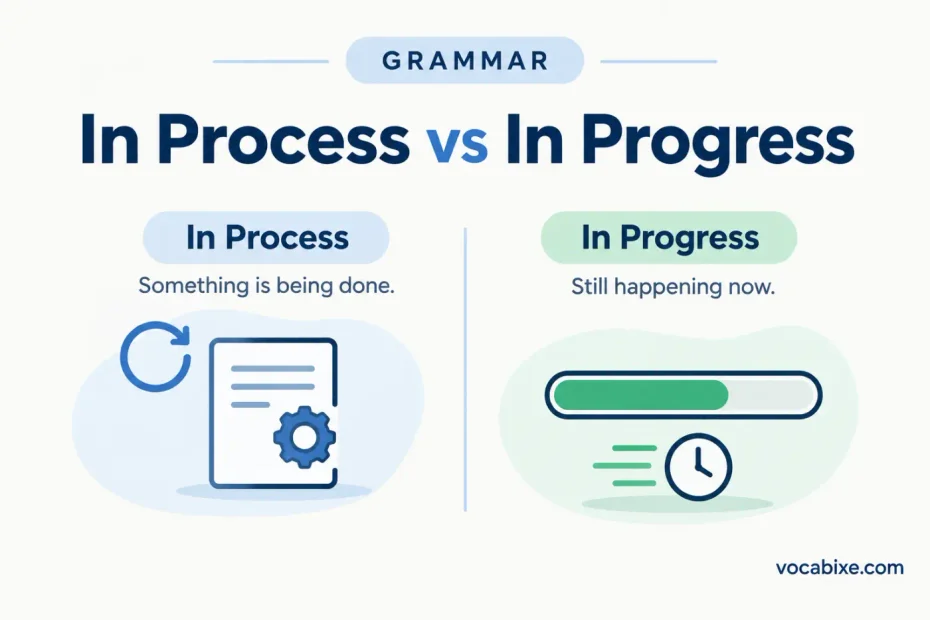
In process vs in progress confuses many English learners. This guide explains the real difference with simple examples, common mistakes, and easy rules — so you always pick the correct phrase confidently.
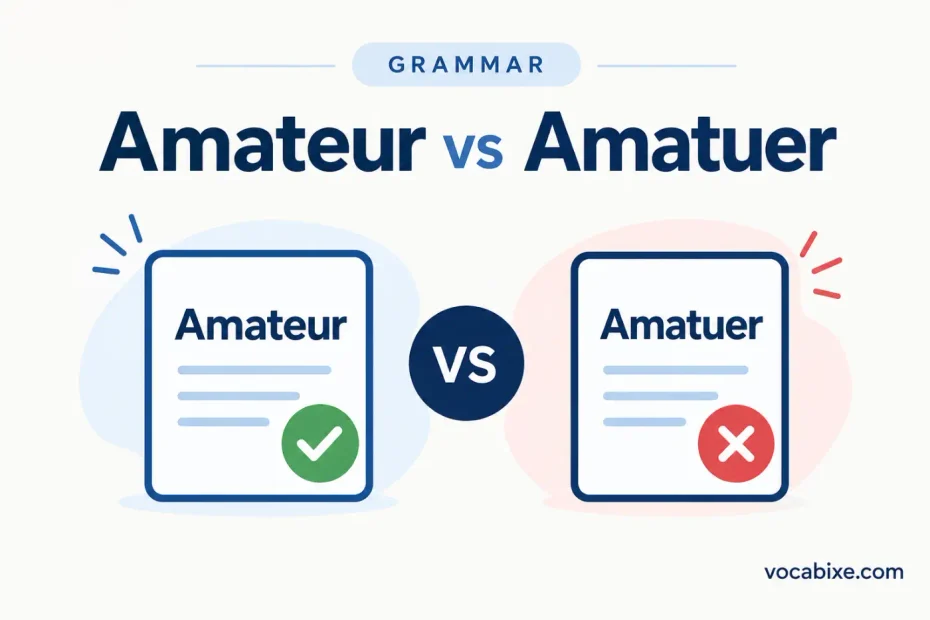
The correct spelling is amateur. The spelling amatuer is incorrect and does not appear in any standard English dictionary. Amateur ends in e-u-r, not u-e-r
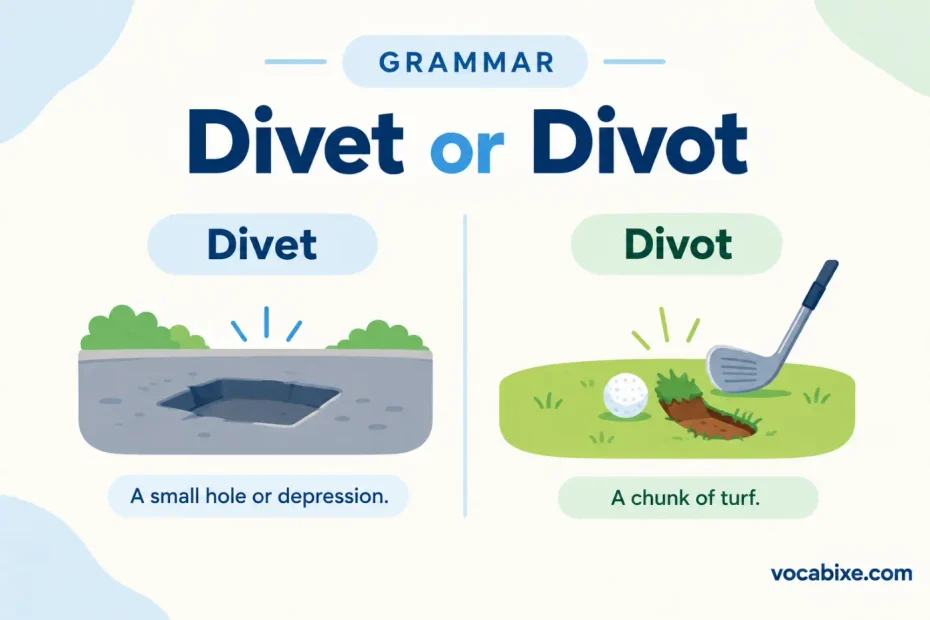
Divot is the correct spelling, while divet is a common misspelling. A divot means a small piece of grass and soil torn from the ground, often seen in golf, gardening, and everyday outdoor activities.
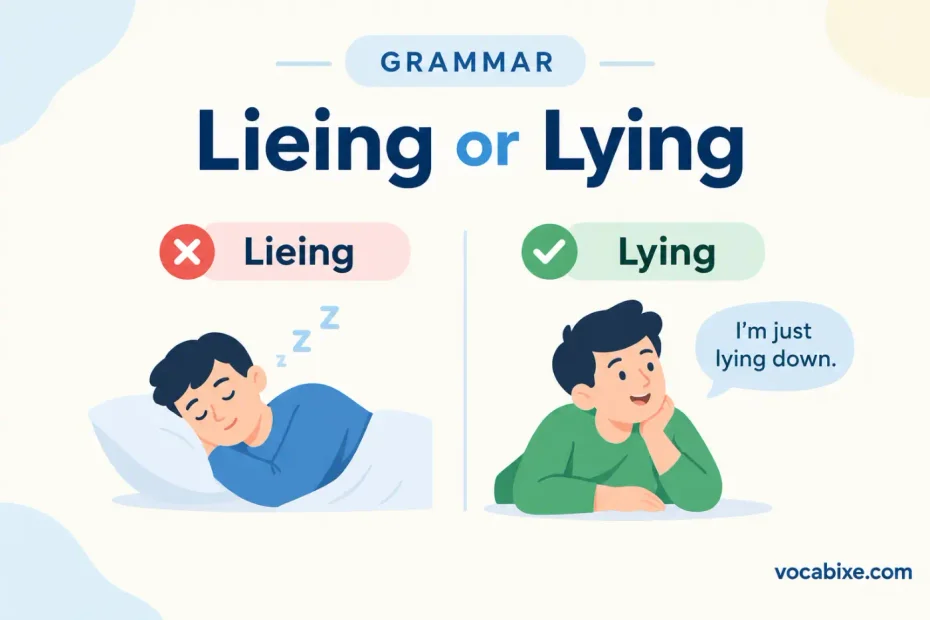
Lying is correct, not lieing. The rule: change ie to y before adding ing, so lie becomes lying, tie becomes tying, die becomes dying. Works whether you mean telling a fib or just lying down…